Every Metre Counts
Friday, 23 October
While Paris was burning, we were on our way to Georgia, a small country that I have now visited many times but which continues to amaze and affect me.
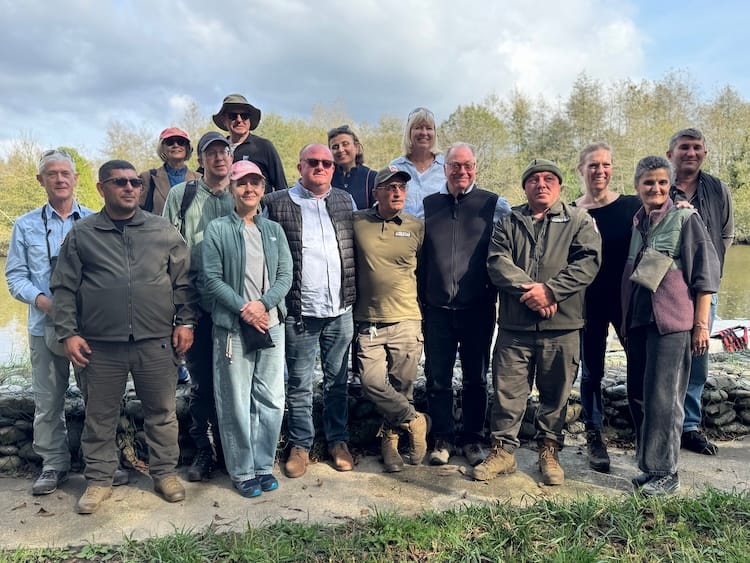
This trip brought together the board members of my husband David’s foundation the Caucasus Nature Fund (CNF), that provides support for the national parks in Georgia and Armenia.
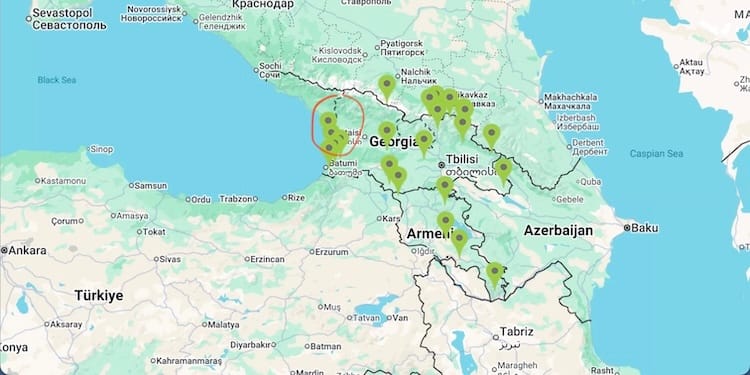
As you can see from the green dots on the map, there are many. This compact geographic area of about 100,000 square kms (38.4 thousand square miles) – the size of the US state of Kentucky or a fifth of France – lies at the heart of one of the most biologically diverse spots on the planet. Ringed by the Black and Caspian Seas on the west and east and the Greater and Lesser Caucasus Mountains on the north and south, the region was spared the last Ice Age 2.58 million years ago. Its relic forests (ie, woodlands that have survived previous environmental shocks such as glaciation)...
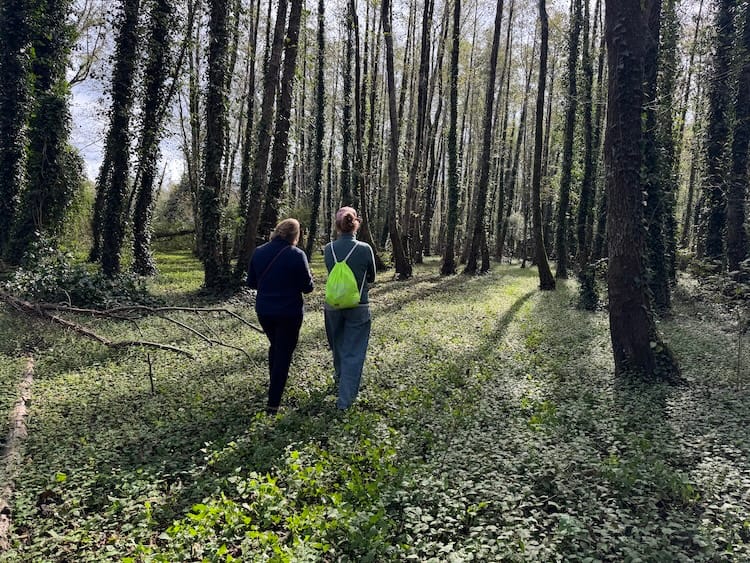
...and endemic plants subsequently reseeded a rewarming Europe. Fauna abounds too in the nine climate zones, ranging from semi-desert to sub-tropical, and on the 10 peaks taller than Mont Blanc.
We visited the circled protected areas on the above map in the sub-tropical southwest corner of Georgia near the city of Batumi in the region of Adjara. Bordering Turkey, Adjara has a long and complex ethnic and cultural history that to has led to Muslims and Christians cohabiting peacefully in a semi-autonomous republic.
In ancient times, Jason and the Argonauts are said to have sailed to Colchis (the old name for western Georgia) to retrieve the golden fleece. In a less mythological era, Adjara was batted back and forth between the Ottomans and Georgians for 300 years, until Imperial Russia took over in 1878. With the rest of the country, it gained independence from the disintegrating Soviet Union in 1991.
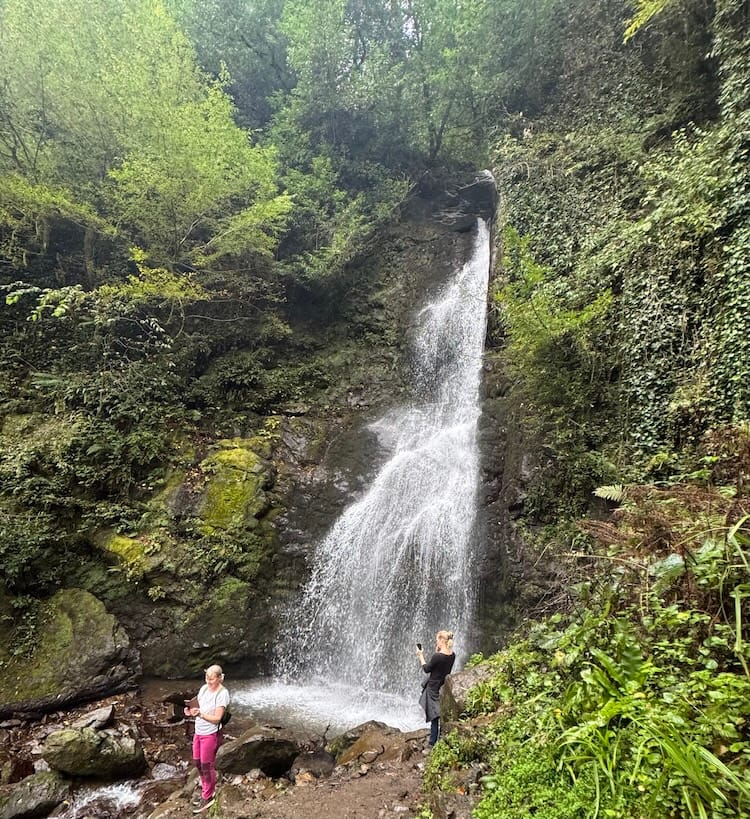
Despite its complex history, the diversity of its terrain and climate, Georgia has a surprising array of unifying elements. There's the stunning nature, both high...
...and low...
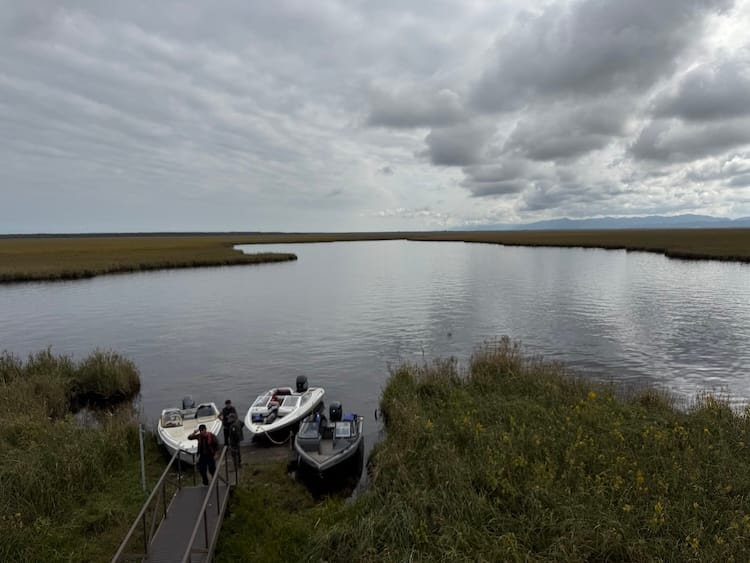
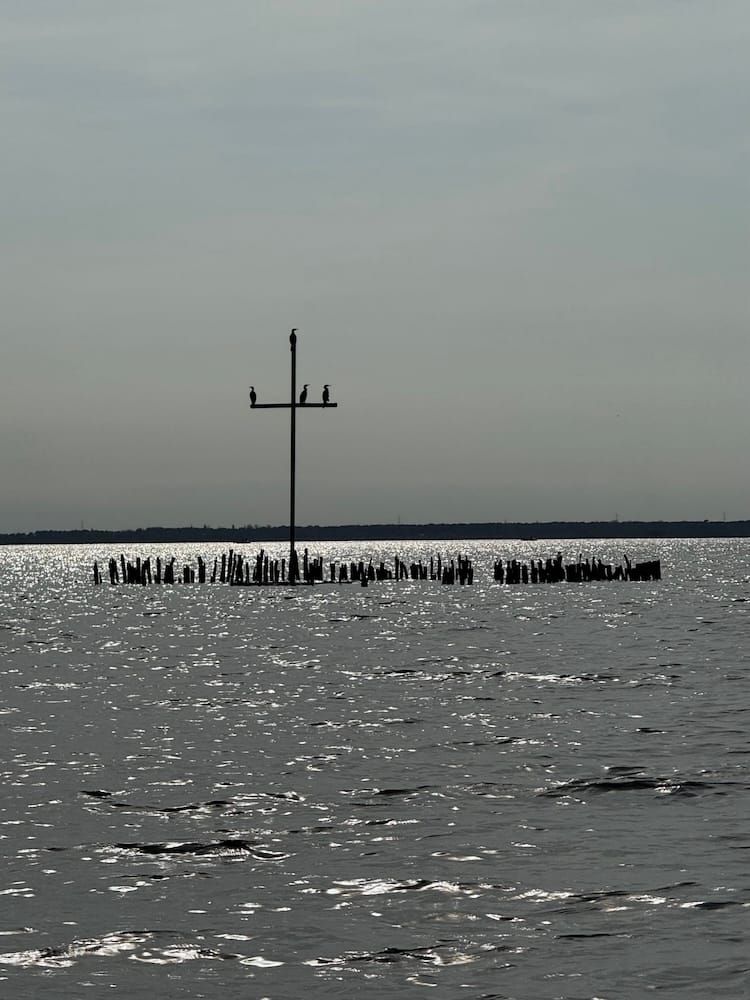
We were out of season, but the above Paliastoma Lake in the Kolkheti National Park is, we were told, the best spot to watch migrating birds in Europe. Many Georgians do cling to their European-ness - there are EU flags everywhere - even if there is a geographical argument for the Caucasus lying in Asia, and tensions with the EU have increased since Russia’s invasion of Ukraine.
Georgian cuisine, which has regional variations, is certainly transcontinental, with eastern spices but many dishes appealing to western tastes. It is served copiously, in any clime, any place...
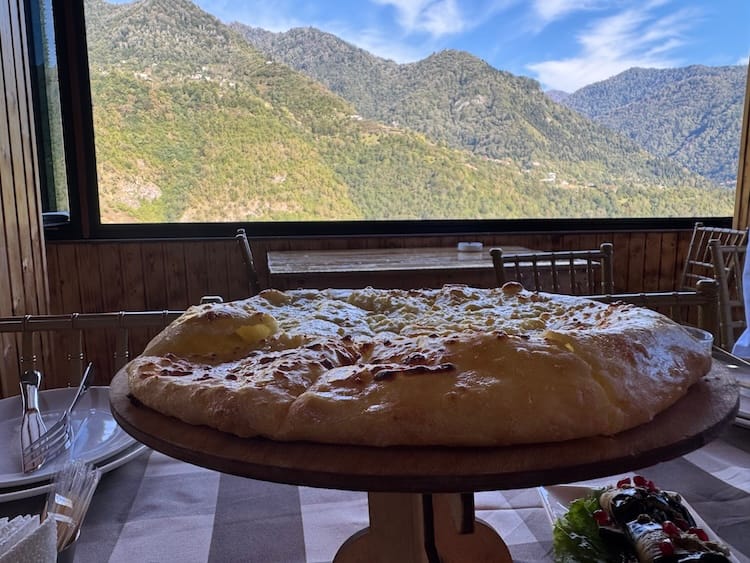
Wine, invented by ancient Georgians in about 6000 BC, is still fermented in clay qvevris...
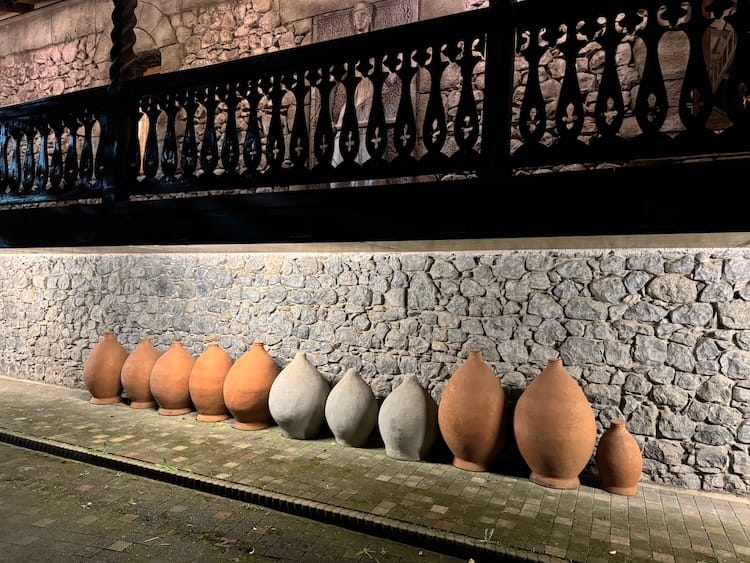
Both are consumed during elaborate meals (supra) punctuated with toasts led by a toast master (tamada).
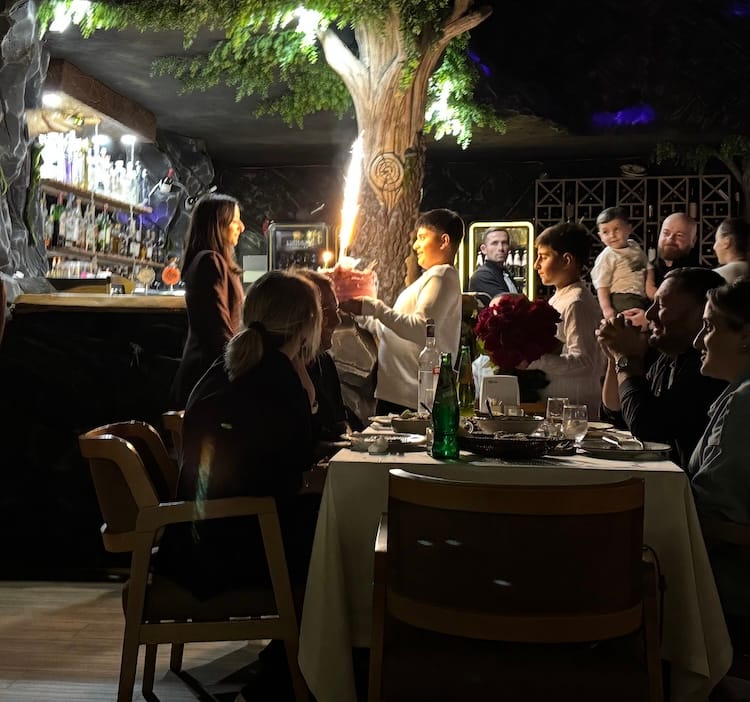
The first toast is often to God. After Armenia (301) and the Byzantines (313), Georgia was the third country (326) to adopt Christianity, and signs of their sustained devoutness are everywhere, even in the middle of Lake Paliastoma where a church (maybe) once stood.
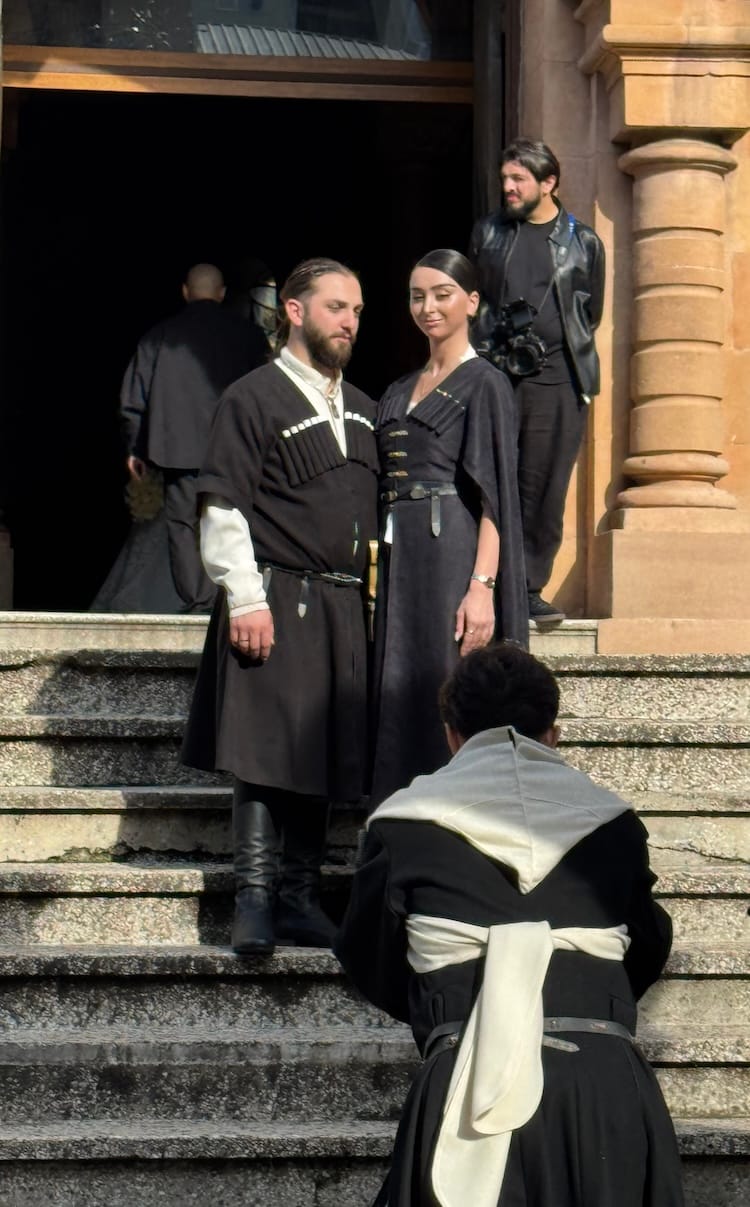
Tradition in general is surprisingly resilient.
Especially given that modern development is creeping into this paradise and making the need for organisations like CNF ever more pressing.
If I may boast about my husband and his team for a moment: the fund started in 2008 (in our apartment!) with €8m and only a few hundred thousand in interest earnings to spend. Today, largely thanks to the German government, CNF is a €100m foundation with offices in Yerevan and Tbilisi and a €5m annual budget.
One of CNF's goals is to encourage eco-tourism, but these quad bikes were not what they had in mind for the Mtirala Park.
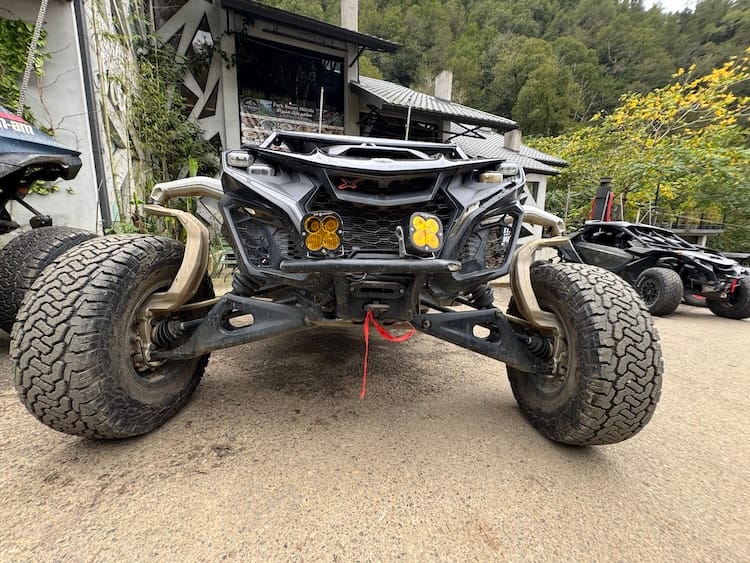
Though not allowed on the trails, they blight the entrance and race tourists noisily up and down the narrow mountain road.
Coastline development, less and less regulated, is encroaching on the vibe of this unique, carbon-storing sphagnum bog, formed over thousands of years, in the Kobuleti Protected Areas...
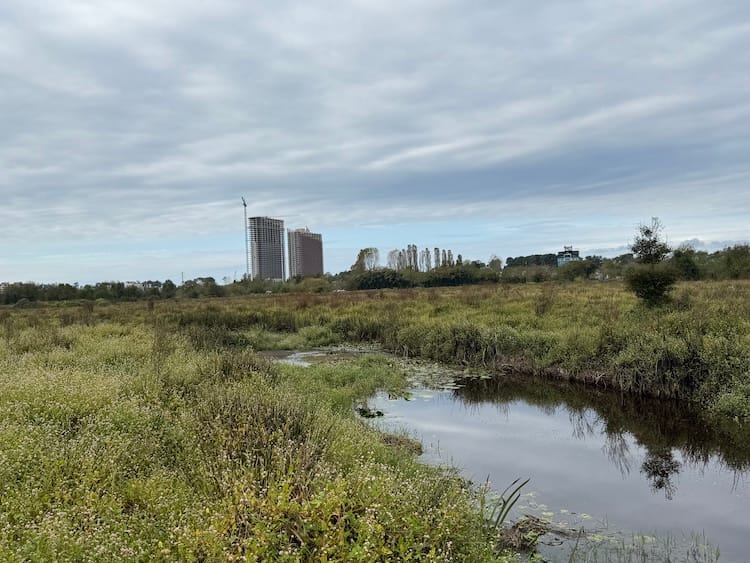
Batumi has mushroomed into a wannabe Dubai on the Black Sea...
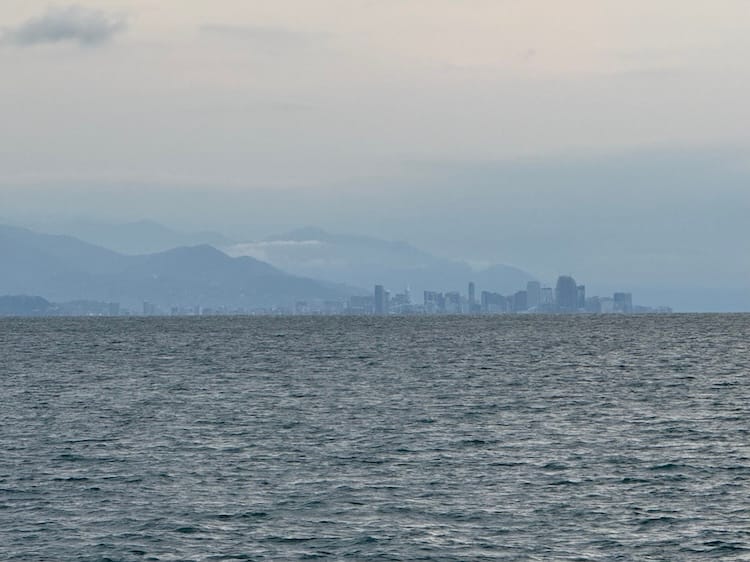
...including a planned artificial island...
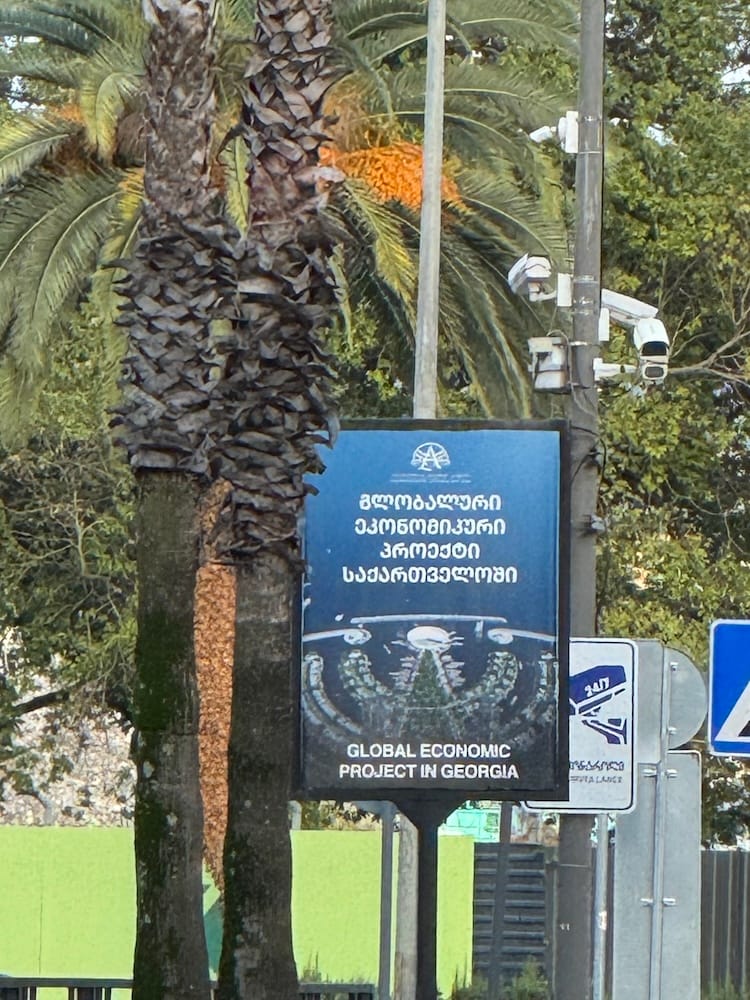
...extending from a beach where the city’s children once played. On the way to Mtirala, we passed truck after truck carrying down pieces of the mountain for the landfill.
Batumi's blingy towers are largely being built for Russian and Middle Eastern tourists who have no interest in nature. Or even in the charming old town that cowers quaintly in the shadows...
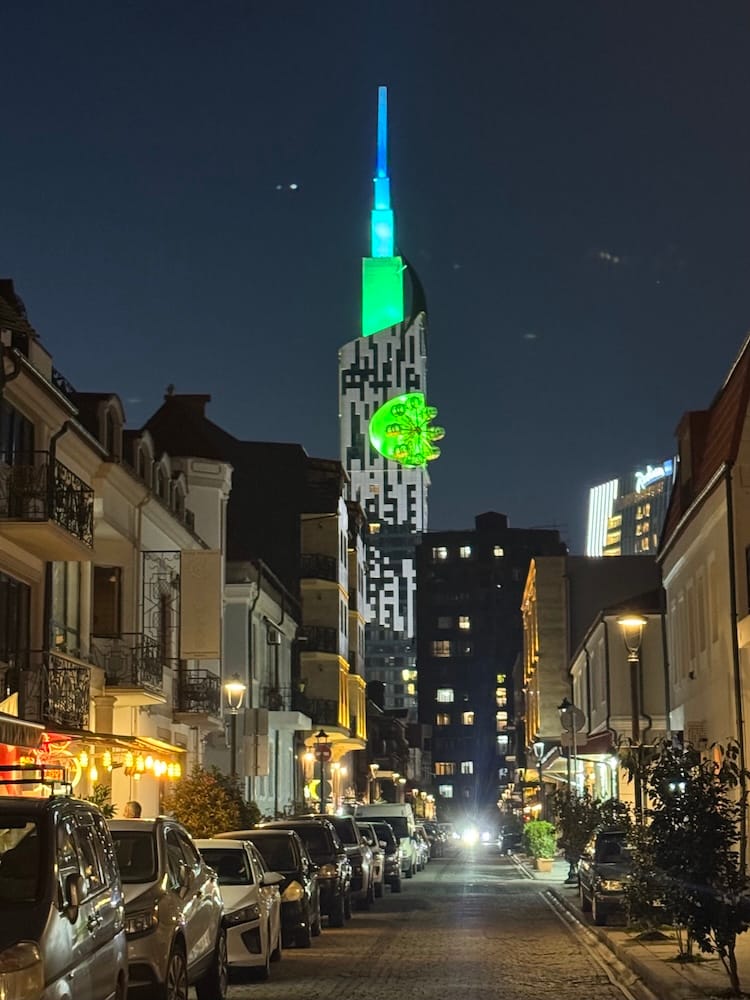
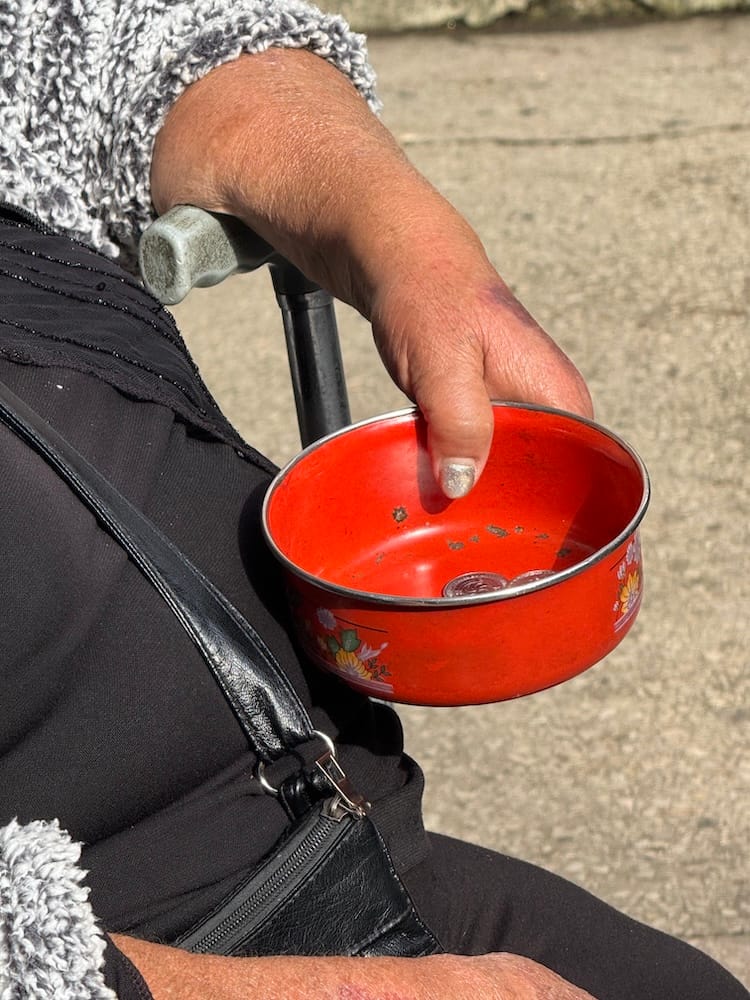
...and is a reminder that many Georgians remain poor.
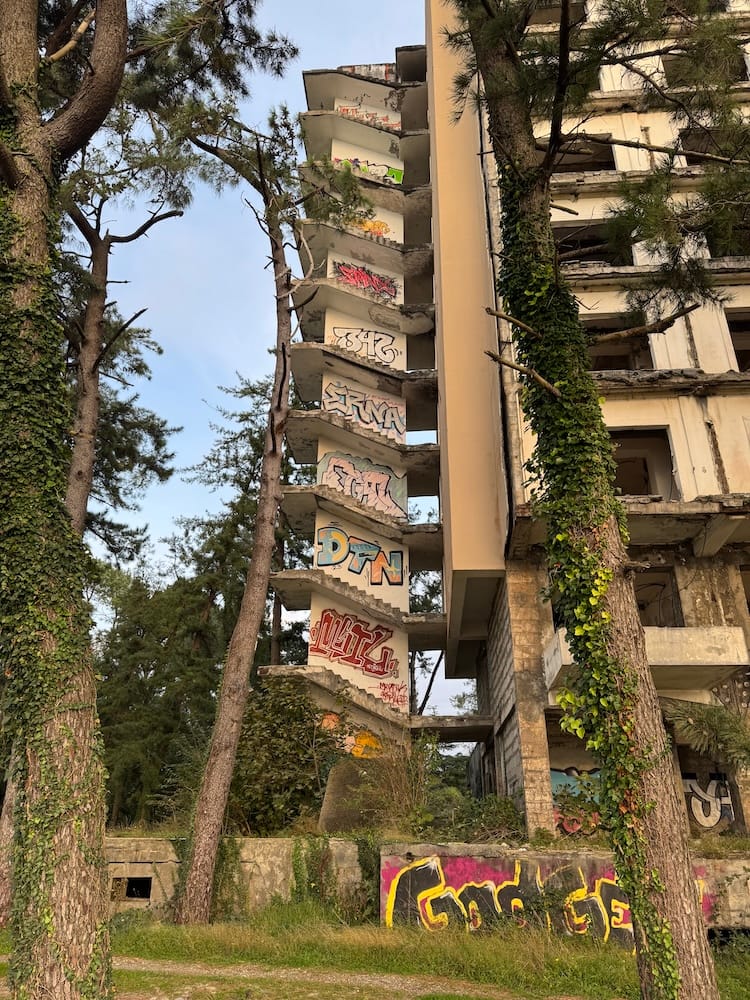
These tourists come mostly for gambling, drugs and prostitution; the more affluent for the luxuries of a hotel complex like this one, the Paragraph Hotel & Spa in Shekvetili to the north of the city.
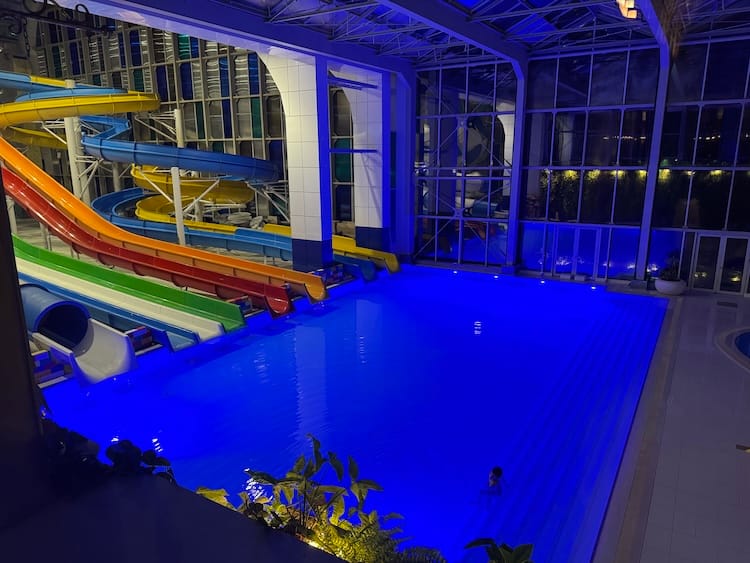
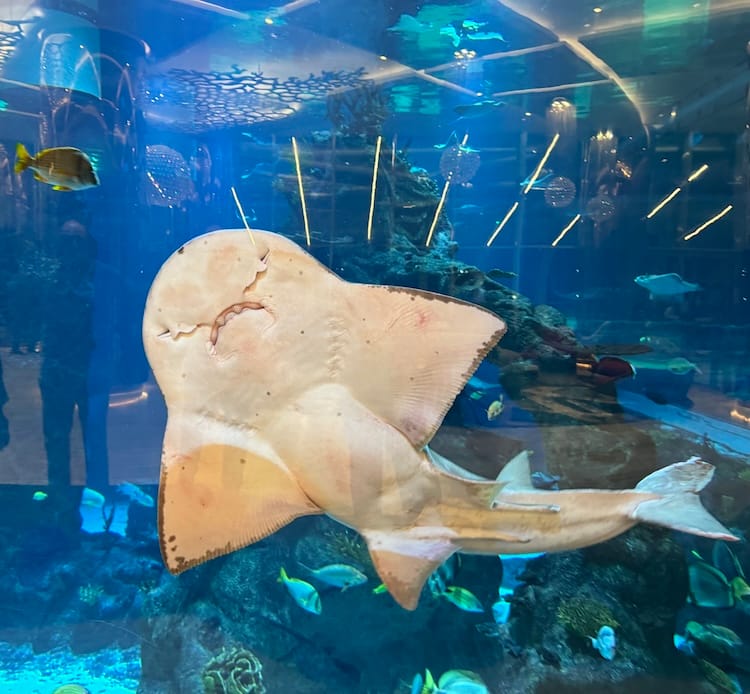
The gaudy lobby is complete with an aquarium...
It was built and is owned by Bidzini Ivanischvili, a shadowy, Georgian-born oligarch who has gobbled up properties around the country, including a chunk of the largest nature park Borjomi, for his own use. Though he no longer has an official role, Ivanischvili finances and calls the shots of the governing Georgian Dream Party. As one Georgian put it: "He has bought himself a country." And brought that country once again dangerously close to the Russian web, a peril I could not forget every time I looked at the Black Sea and thought of the Ukrainians on the other side fighting for their life.
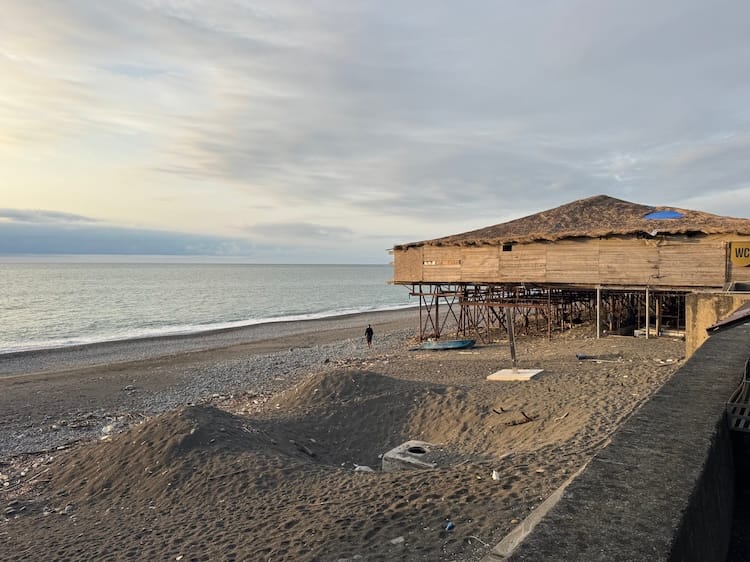
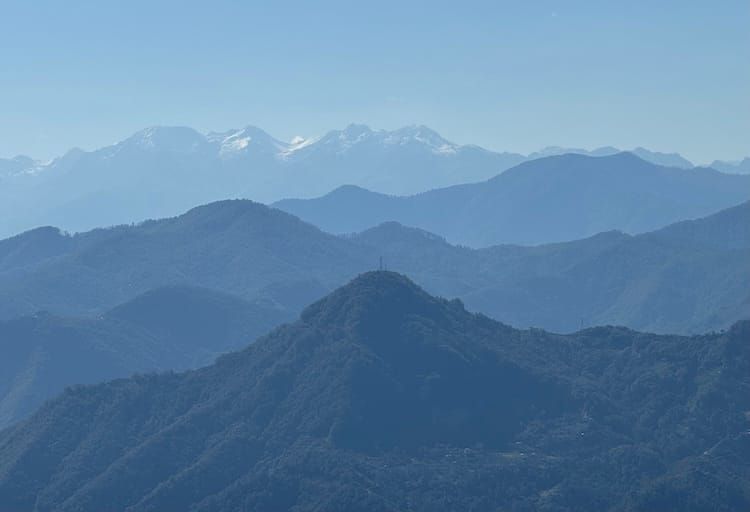
The last day we drove to a small protected area near the Turkish border that even David had not visited. The relatively new, very beautiful Machakhela National Park is located in the foothills of the Lower Caucasus Mountains (top photo). It is one of the hottest biodiversity hot spots in this region, with many relic Colchic bot box, chestnut, nut, hazel-nut, and bot trees – and so far no quad bikes to disturb the peace.
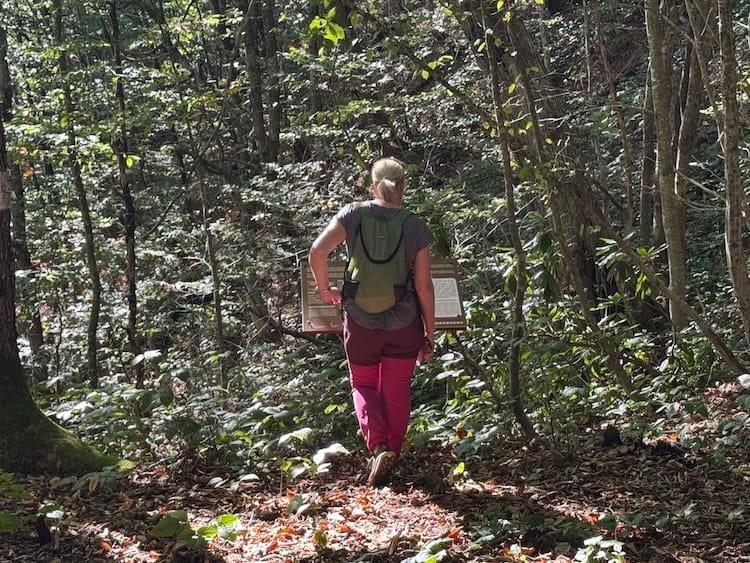
Someone asked the information officer how big the Park is: "Seven thousand three hundred thirty three point one eight hectares," she said.
When someone else tittered at the precision of her answer, she looked each one of us in the eye:
"Every metre counts."
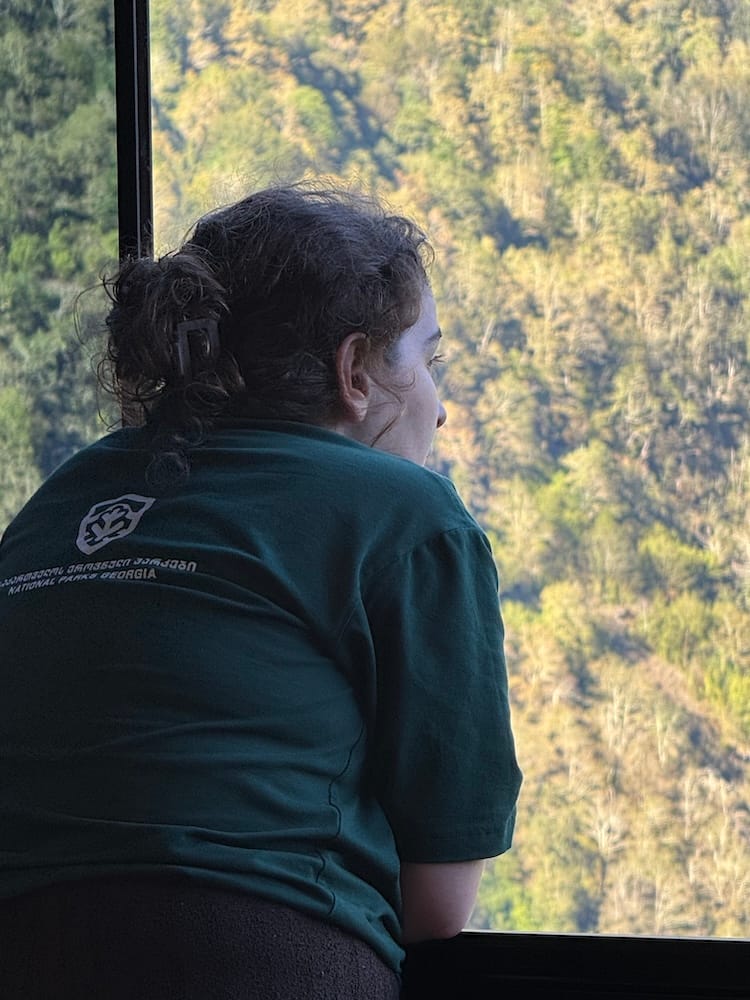
Indeed.
For a broader picture, here are some earlier reports from Georgia and Armenia:
Small is Beautiful but Endangered
And remember that subscription to my posts is free (tell a friend!).