Ancestral Foraging
Friday, 10 July
A few years ago, my cousin Barbara wrote: “The Melvins came to Canada from Ireland - County Armagh. Dad used to say we were really Scottish – that ‘we only stayed in Ireland long enough to get the red hair.’” I’d known about the Scottish roots, the Northern Ireland stopover. Even about the hair, though no one in my nuclear Melvin family got the carrot top.
But County Armagh was news to me, and ever since that email I'd had a hankering to go, to at least get the vibe of a place my paternal ancestors lived and left. Two weeks ago, between visits to children and grandchildren in London and the Belfast area, I spent a couple of days poking around.
Preparations led to more delving into the family history, aided by one of my sons, once he’d corrected my pronunciation (the gh is silent, ar-MAH). He consulted my cousins, Barbara and her sister Jean (Hi to you both across the blogosphere and thanks for your help!), as well as a genealogist.
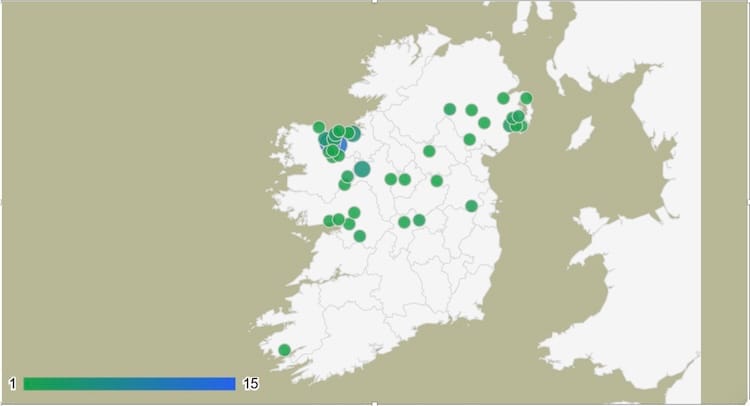
Since such investigations are of little interest to anyone but those doing the digging and a handful of the descendants, suffice it to say that the Armagh connection appears to run through the maternal-paternal Gordon family line, and on Jean and Barbara's side, the Burris, rather than the Melvins, who largely ended up in County Mayo to the far west. I like to think that those clustered dots of Melvins on the below map are the ones who chickened out before getting on the boat. That my ancestors may have been poor but at least they had the courage to cross an inhospitable ocean to a foreign land in search of a better life.
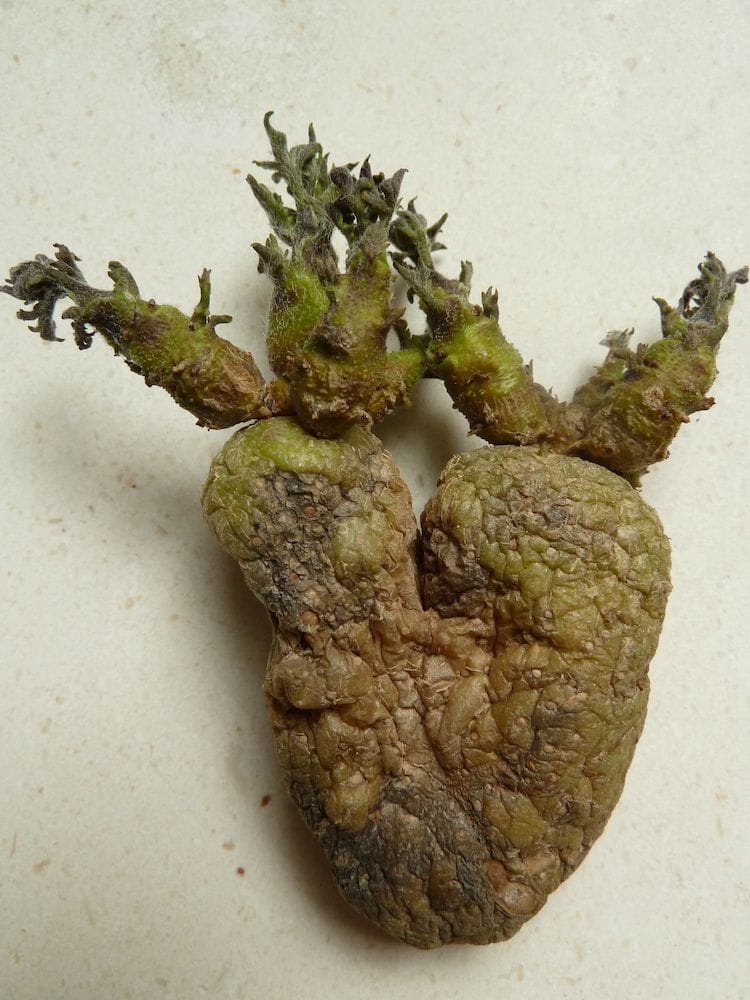
All branches of my paternal family, in any case, left Ireland for Canada around the time of the potato blight and The Great Hunger (1845-52), a disaster that out of a population of 8.5 million killed one million from starvation or disease and caused two million more to emigrate, many to North America. The famine mostly affected Catholics (more on that later), but whatever the religion, no one had any potatoes, the country's staple food.
At first glance, County Armagh today is a green and pleasant land.
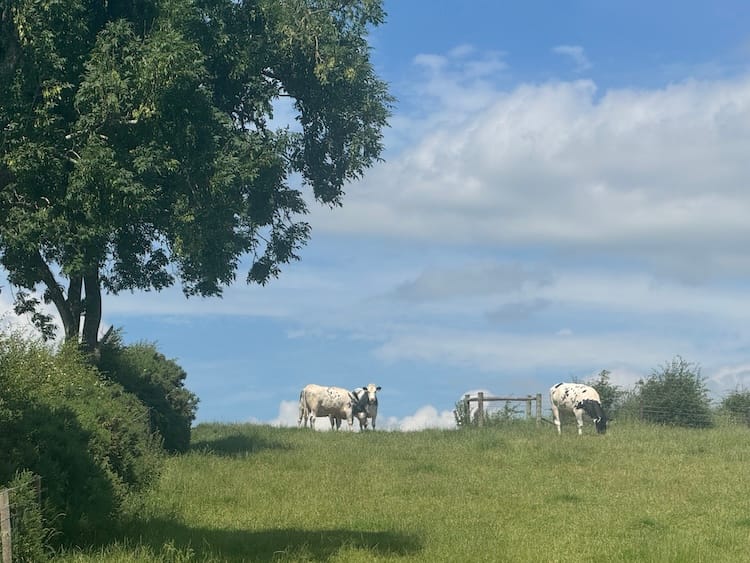
South of Belfast and tucked into the border with the Republic of Ireland, there's a lot of hedgerowed farmland. Towns and villages are stitched together by narrow roads. The southern tip is what the British quaintly call an Area of Outstanding Natural Beauty, with Slieve (hill or mountain) Gullion the highest point in the county.
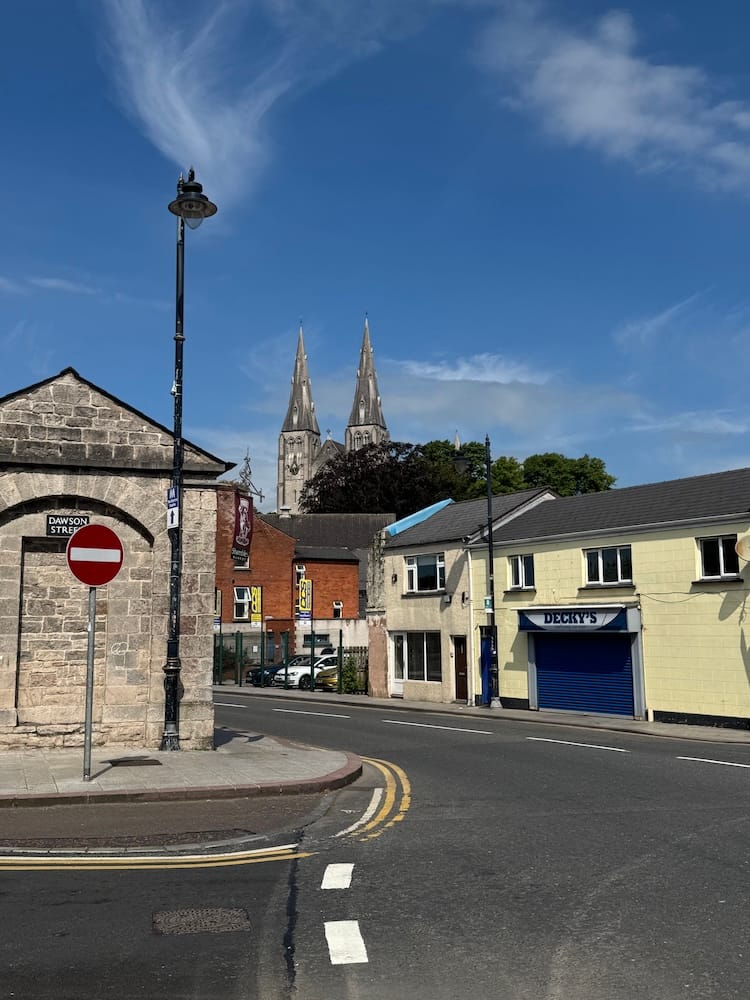
The town of Amargh is the seat of both the Catholic Church and Church of Ireland (Anglican), the place where Patrick settled as first Bishop on his way to patron sainthood. An example of reconciliation, you might think.
Not exactly. Until this century, the region was a cauldron of conflict. After 800 years of iron Clan Colla rule, their descendants and other clans, the O'Rogans and O'Larkins, the O'Kelaghans and the O'Neills of Fews (you gotta love the names) for example, engaged in mafia-style warfare. In the 17th and 18th centuries, the place was rife with bandits and brigands. And during The Troubles, that period from the late 1960s to 1998 when murderous tensions between Catholics and Protestants seemed unresolvable, outsiders made detours, avoided the county entirely. There were so many sectarian deaths in the town of Armagh that it was called Murder Mile. That quaint Area of Outstanding Natural Beauty I mentioned above was a redoubt for IRA gunmen.
Which isn't surprising when you consider the history of Ireland in general. The island was ruthlessly occupied by the British for 800 years. Every time the Irish rebelled, the English came down harder, most notably in 1649, when Catholic-hater Oliver Cromwell led a rampage to reinstate British (read Protestant) authority. He massacred many and forced Irish landowners off the richest farmland, handing it over to Protestants, many of whom had been imported expressly from England and Scotland (my ancestors?).
One of the reasons the potato blight in the mid-19th century led to The Great Hunger was English landowner cruelty to poor Catholic farmers.
When civil war threatened in 1921, the largely Protestant north was given its own country, Northern Ireland, one that was still part of the United Kingdom. That didn't stop the Unionists/Loyalists (those who wanted to remain British) and the Irish Nationalists/Republicans (who wanted a united Ireland) from continued warfare. Though The Troubles mostly ended with The Good Friday Agreement in 1998, tensions still simmer. This Sunday, the 12 July, the "Orange Order" of northern Protestants will march in their annual parades and burn their bonfires to commemorate the 1694 Battle of the Boyne when Catholic King James was defeated by Protestant William of Orange. Even now it can turn violent; resentment dies hard.
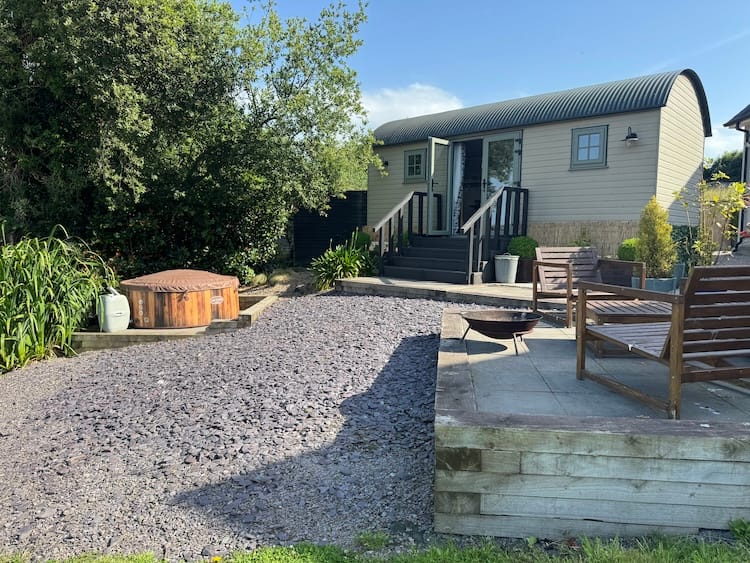
My pre-fab rental, “Shepherd’s Hut” as the owners had dubbed it, was a self-contained room behind the main house, overlooking a field. Quite charming, at first glance, but cheap on second and not as peaceful as advertised: a power pylon loomed in the middle and just out of sight were a suburban development, a golf course, an airfield and train tracks. At 10pm the second and third nights, the farmer trundled in on his tractor to bale the hay and it sounded as if he was trying to dig to Middle Earth. Tiny Northern Ireland, despite all that green, can feel uncomfortably cramped.
The first day, after a stop in the town of Armagh, I headed cross country towards Mullaghbrack, the village where the Gordons had settled. On the way there, much stress was caused by several wrong turns, the heat, the large car on the wrong side of the busy (so much traffic!) narrow lanes, until finally...
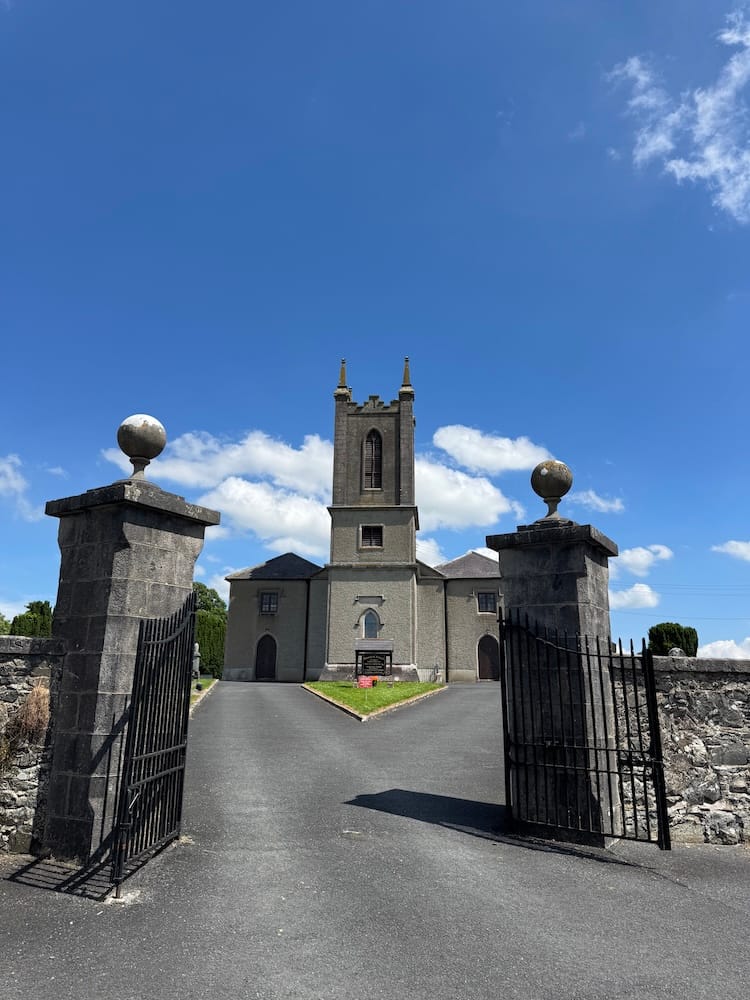
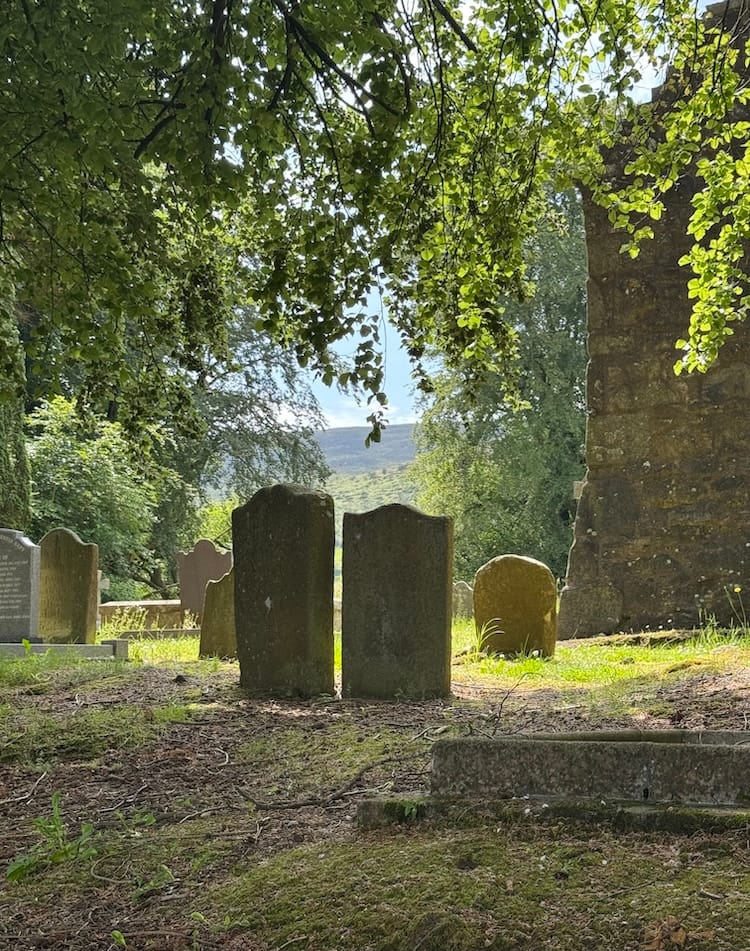
...this imposing Church of Ireland edifice appeared on the horizon of a village of 54 souls.
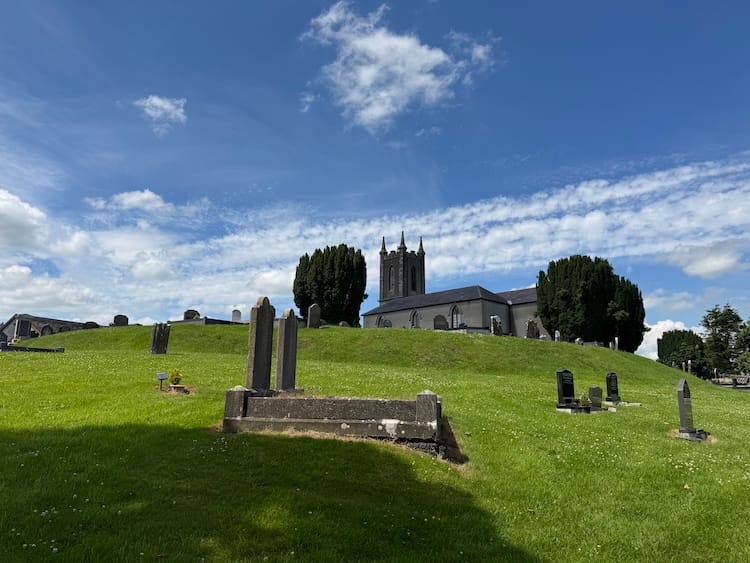
I combed the graveyard, but there wasn't a familiar name in sight. I walked all two streets of this forlorn village. The humble, post-War bungalows with a flash of ostentation reminded me of the place my parents-in-law lived in Florida during their last years (there's a lot about Northern Ireland that resembles America).
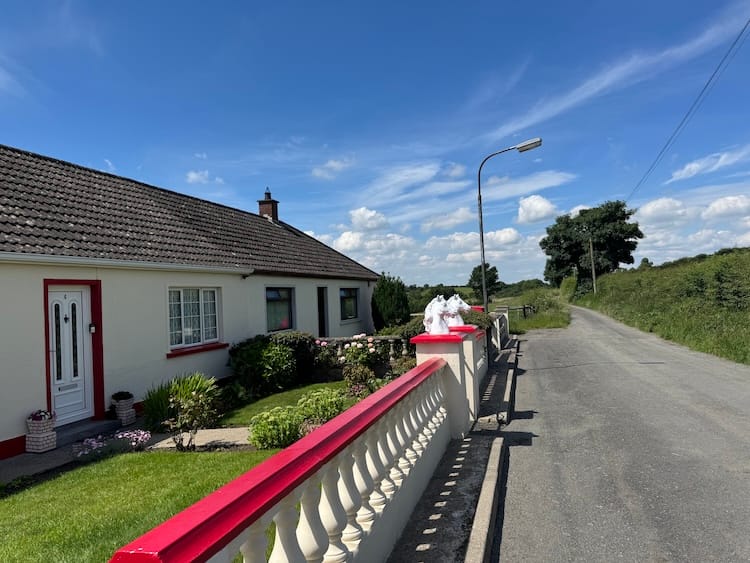
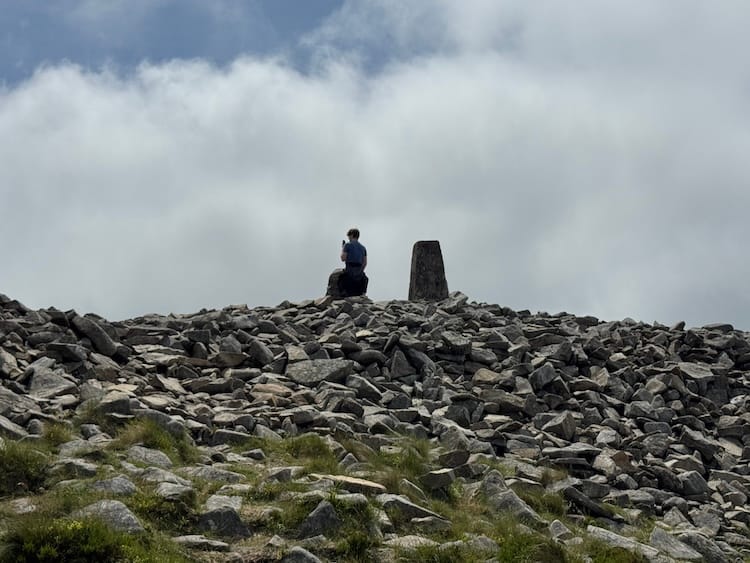
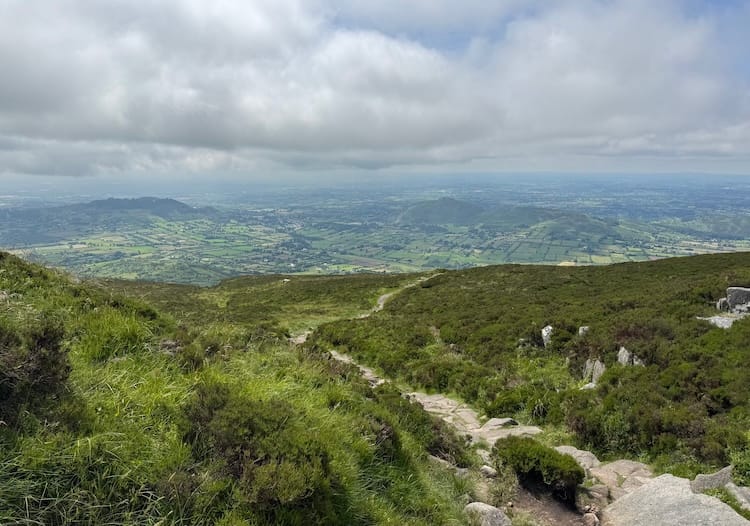
Already fed up with chasing family ghosts, I spent the second day on a 14km/9 mile hike up, down and around Slieve Gullion (now rid of IRA gunmen).
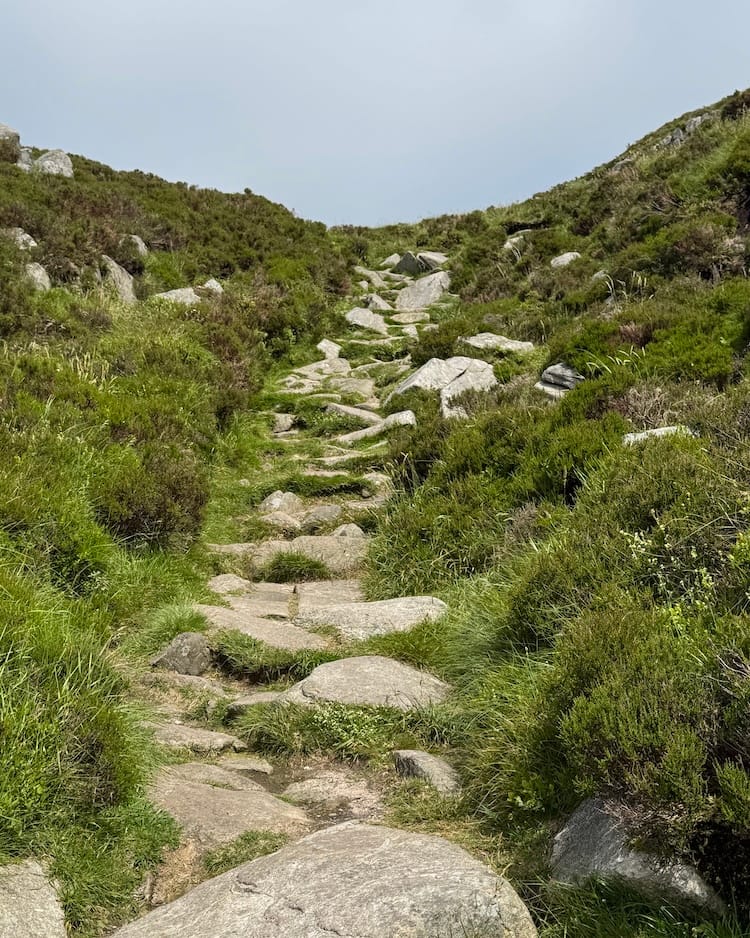
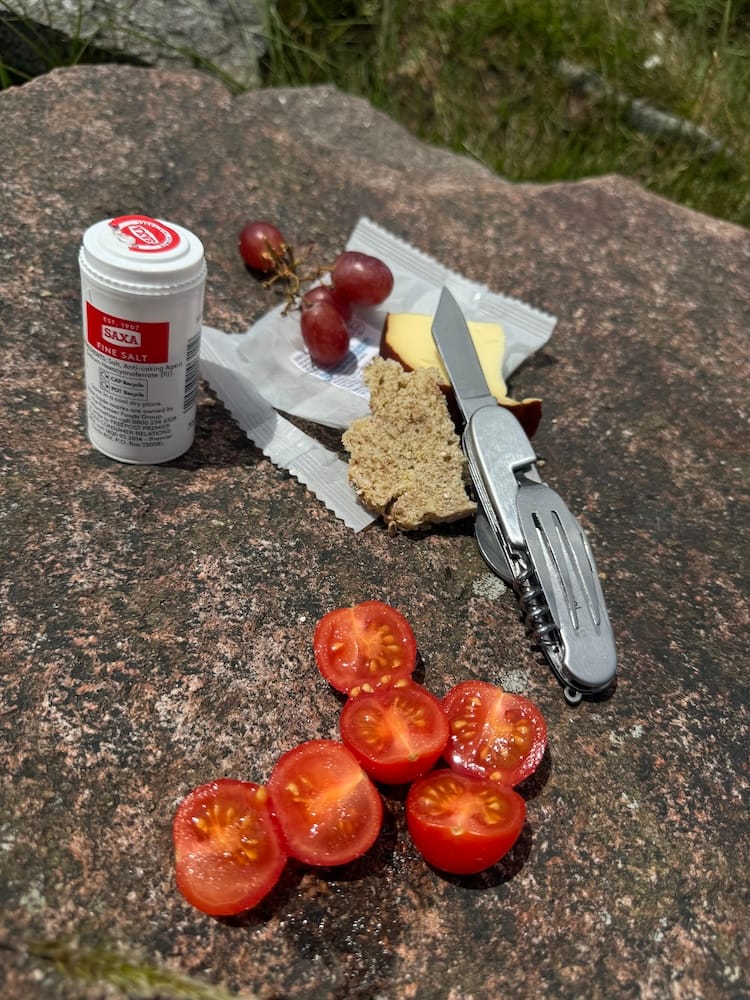
I had a delightful picnic on the rocky top...
...admired a reflecting pool free of plastic liners and unwanted aquatic plant growth...
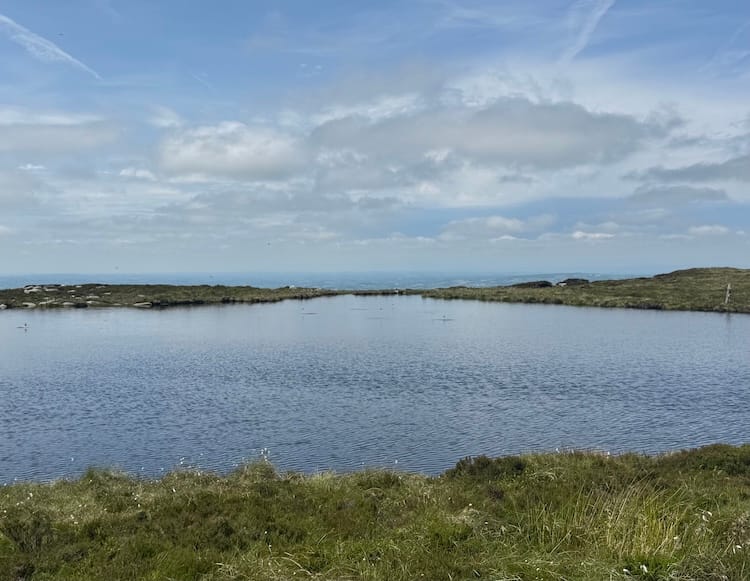
...and got a panoramic view of County Armagh...
During my two days touring, I learned a lot about the area's turbulent history, could understand why my forebears fled it and be grateful to them for having done so. But did I feel any ancestral stirrings? Gain any epigenetic insights?
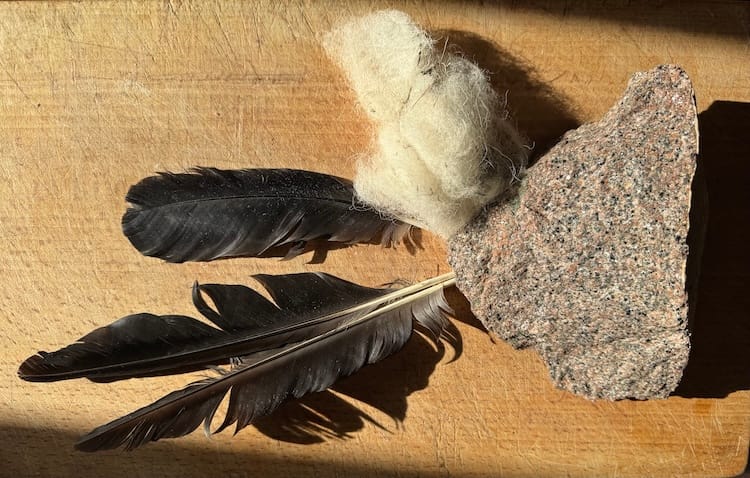
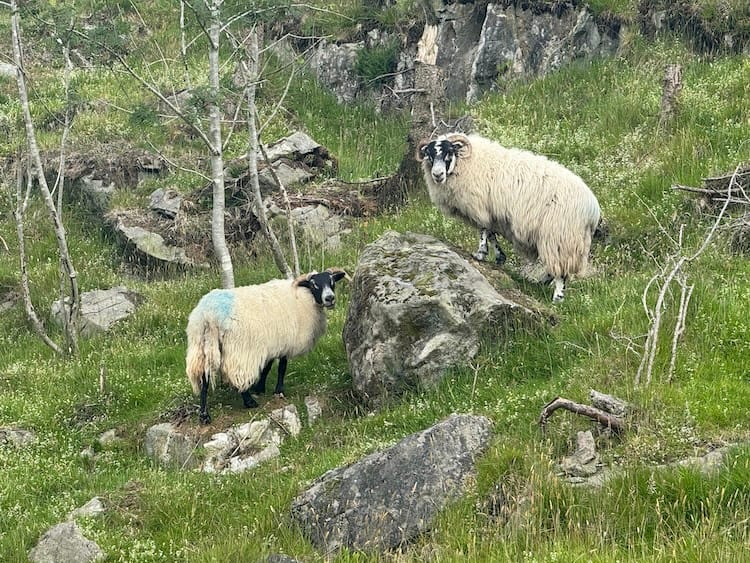
The village and cemetery of Mullaghbrack had a curious abundance of crow feathers on the ground. So many I began to wonder if departing families hadn't transcendentally left their trace. I brought a few back, along with a tuft of sheep's wool and a piece of granite from Slieve Gullion. Foraged souvenirs from a trip, despite its challenges and inconclusiveness, I'm happy to have made.